Home security, UAE
Hiding a safe room entrance without hiding the fact you have one
A safe room only works if the intruder does not find the door. In a UAE villa or apartment, the disguise has to hold up under normal daily use: guests, cleaners, delivery staff and children all pass through the same corridors. This guide covers the three most common ways homeowners in Dubai, Abu Dhabi and Sharjah camouflage the entrance, what each option is good and bad at, and the small details that separate a real disguise from a decorative gesture.
Why disguise matters
A hidden door buys you time
A reinforced safe room is designed to hold an intruder off long enough for police to arrive. In practice, the first line of defence is not the steel plating, it is whether the attacker can locate the door at all. Every minute spent tapping walls or moving furniture is a minute your family is safely inside and the authorities are on the way.
The three approaches below are ranked by how common they are in UAE residential projects, from the quickest retrofit to the most permanent architectural solution.
Pros and cons of the three main disguises
Strengths of common disguises
- Large mirror or artwork: fast to install, low cost, works in almost any room.
- Wardrobe entrance: reads as ordinary furniture, gives you a natural buffer zone.
- Flush panelled wall: completely invisible when done well, no visible seams or handles.
- All three can be paired with electronic locks and biometric access.
- Each option adapts to villa, townhouse or apartment layouts across the UAE.
Weaknesses to plan around
- Mirror or artwork: can look out of place if the proportions are wrong, and hinges may show at close range.
- Wardrobe: heavy, hard to move later, and the false back must be built to precise tolerances.
- Flush wall: most expensive, needs skilled joinery and a hidden release mechanism.
- Any visible lock, keypad or seam undoes the entire disguise.
- DIY attempts almost always leave tells that a trained eye will spot.
Option 1
The mirror or large artwork
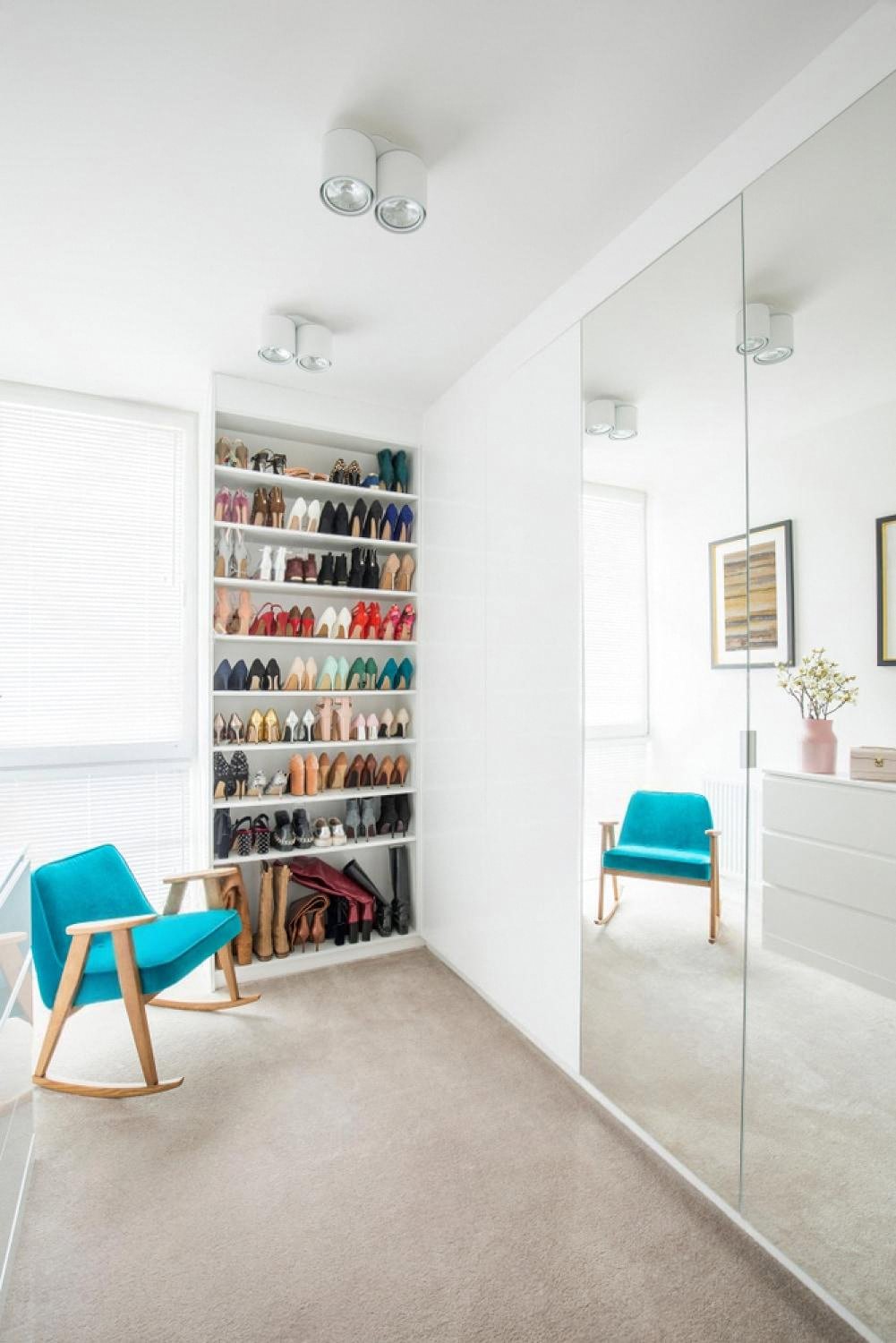
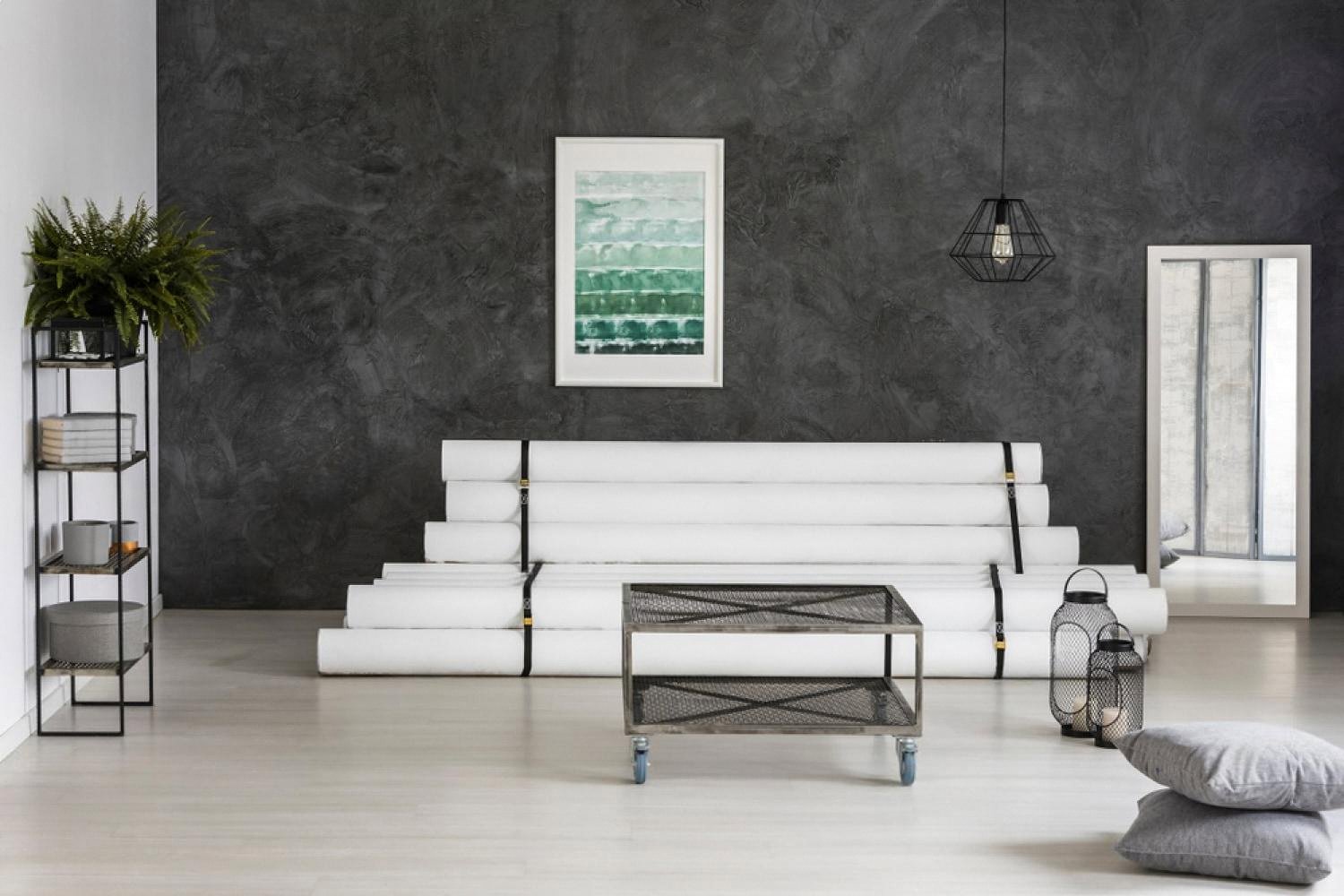
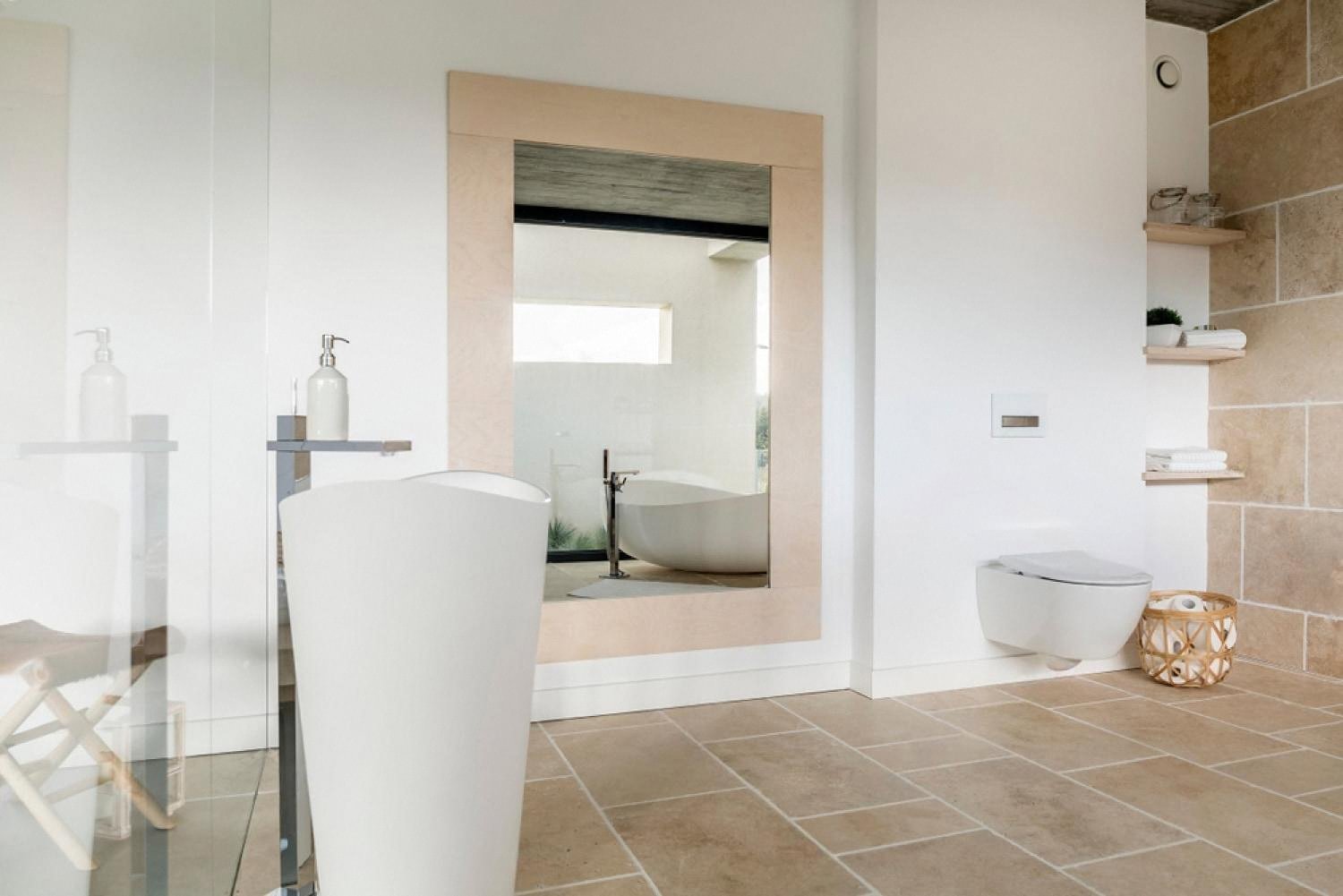
This is by far the most common disguise in UAE homes. A full-height mirror in a dressing room, a wide framed canvas above a console in the majlis, or an oversized bathroom mirror can all sit on a concealed hinge system and swing open to reveal the entrance behind.
- Pick a piece that fits the scale of the wall. A small mirror on a large blank wall draws attention.
- Match the frame or mount style to other pieces already in the room so it looks like part of the decor scheme.
- Use a magnetic or push-to-open release, never a visible handle or keyhole.
- Check the swing clearance so nothing scrapes the floor tile or the ceiling cornice.
- Add soft-close hinges so the panel does not slam and betray its weight.
Option 2
The wardrobe passage
A walk-in wardrobe or a heavy freestanding armoire can conceal the entrance to a safe room behind a false back panel. The intruder sees clothes, shoes and shelving; the door only exists if you know which panel to press.
- Build the wardrobe deep enough that the false back does not look shallow compared to normal cabinetry.
- Keep real, used clothing on the visible side. An empty or half-empty wardrobe is a red flag.
- Weight the moving panel so it opens smoothly under one hand, even in a rush.
- Run any electrical or ventilation lines through the cabinet frame, not the wall behind, so the wiring stays invisible.
- Test the mechanism monthly. A jammed panel in an emergency is worse than no disguise at all.
Option 3
The flush panelled wall
The most sophisticated approach is to finish the door in exactly the same material as the surrounding wall: the same paint, the same wood veneer, the same marble slab layout. There is no handle, no visible frame, no lockplate. Only the family knows that one section of wall is actually a door.
- Grain, veining and colour must match on both sides of the seam. Order material from the same batch.
- Use continuous skirting and cornice that carry across the door line without a visible break.
- The release should be electronic, hidden behind a fingerprint reader, a specific light switch, or a mobile app.
- Plan the reveal gap tolerance carefully. Too tight and humidity swings will jam the door; too loose and the seam becomes visible.
- This option is best decided at the design or renovation stage, not retrofitted.
For any of these three approaches, working with a company that already installs home safes in Dubai and understands hidden-door hardware saves you from the classic mistakes: mismatched hinges, exposed cables, misaligned reveals.
Common mistakes that ruin the disguise
- Installing a bright keypad or biometric reader on the wall next to the disguise. It signals exactly where the door is.
- Leaving scuff marks or worn carpet in a semicircle at the base of a swinging mirror or wardrobe.
- Talking about the safe room in front of contractors, cleaners or delivery staff you do not know well.
- Storing the only release trigger inside the safe room itself. Keep a redundant, hidden trigger outside.
- Skipping the annual mechanical check. Springs, hinges and electronic locks all age.
Choosing an installer
Who should actually build it
Concealed-entry work sits at the intersection of joinery, security hardware and low-voltage electronics. A regular carpenter can build a beautiful wardrobe but will not know how to spec a ballistic-rated hinge. A general security installer knows locks but rarely handles fine finishing.
- Ask for photos of previous concealed installations, not just standard safe rooms.
- Confirm they hold the relevant UAE trade licences and can coordinate with your interior designer.
- Request a written maintenance schedule and warranty on both the mechanism and the finish.
- Insist on a non-disclosure agreement covering everyone on site during installation.
Frequently asked questions
Is a hidden safe room legal in a UAE villa or apartment?
Yes. Reinforced rooms and concealed doors are permitted in private UAE residences, provided the construction complies with local building and fire codes. If you are altering a load-bearing wall or adding ventilation, the work usually needs approval from your municipality or, in freehold communities, the developer.
Always keep drawings and permits on file so future owners or emergency services can locate the room if needed.
Which disguise is best for a rented apartment?
A mirror or large framed artwork on a concealed hinge is the most practical for tenants because it can be removed at the end of the lease without major reinstatement work. Wardrobe passages and flush panelled walls involve structural changes that most landlords will not approve.
Can the door still be opened if the power goes out?
A properly designed concealed entrance always includes a mechanical override. Electronic locks and biometric readers should be backed up by a hidden key cylinder, a manual release inside the room, or both. Discuss this explicitly with your installer before signing off on the design.
How much does a disguised safe room entrance cost in the UAE?
Costs vary widely depending on materials, finishes and door hardware. A basic mirror-on-hinge retrofit sits at the low end, while a flush marble or veneer panel with biometric access can cost several times more. Get itemised quotes so you can see where the money is going: joinery, hardware, electronics, and finishing.
Should I tell my children about the safe room?
Yes, but selectively. Anyone who lives in the home and might need to shelter inside should know how to open the door and lock it from within. Younger children should be told only what they need to know, and reminded not to discuss it with friends or visitors.
How often should the mechanism be serviced?
Once a year is a reasonable minimum for hinges, seals and electronic locks. In coastal areas of the UAE where humidity is high, a six-month check is safer. Any service visit should be logged, and the technician should be from the same trusted company that installed the system.

Basketball fan, father of 3, music blogger, Mad Men fan and storyteller. Producing at the crossroads of simplicity and intellectual purity to craft an inspiring, compelling and authentic brand narrative.